
Malta's captive insurance market grew 200% but faces its toughest regulatory test yet
Malta's captive insurance sector has grown over 200% since 2016. Now the Solvency II 2027 reforms will decide if it can keep its edge.
Malta's captive insurance market has expanded more than 200% since Solvency II took effect in 2016. The next decade will look very different.
The Solvency II Review Package and the Insurance Recovery and Resolution Directive take full force on 30 January 2027. The Malta Financial Services Authority began guiding the industry through a two-year transition period in early 2025.
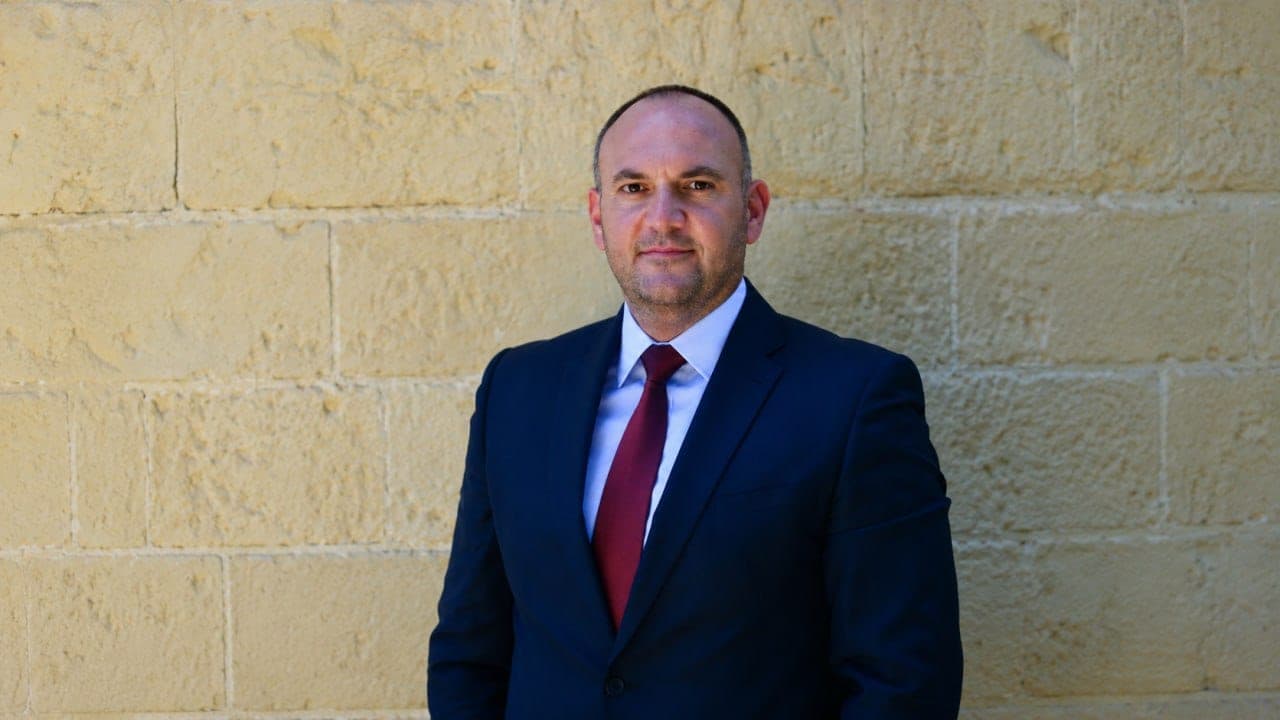
David Galea, President of the Malta Insurance Management Association, said the sector has reached a new level of maturity.
“Malta has moved from an aspirational market to an established one, and now, as the sector becomes more sophisticated, we can only aspire for more growth,” Galea stated.
The growth covers both (Re)Insurance Undertakings and Cells, driven by multinational clients seeking pan-European risk solutions. Galea credited the island's combination of regulatory rigour and operational flexibility.
“As a domicile, Malta combines a deep understanding of the business, operational efficiency with full regulatory compliance,” he said. He pointed to the upcoming Small and Non-Complex Undertakings category as an example of balancing strict European standards with practical, business-friendly solutions.
That new SNCU category is at the heart of the reforms. Eligible entities will benefit from streamlined reporting, simplified capital requirements, and extended deadlines for annual quantitative reporting templates and the Solvency and Financial Condition Report.
The cost-of-capital rate used in risk margin calculations will drop from 6% to 4.75%, improving capital efficiency. The IRRD establishes a dedicated resolution fund to manage financial distress without relying on taxpayer bailouts, while the existing Protection and Compensation Fund remains a safety net for total insolvency scenarios.
International firms that have already bet on Malta are watching closely. Vodafone has used the island as a captive domicile for more than 20 years. Phil Clark, who leads Vodafone's global insurance strategy, praised the local framework.
“Malta's robust Solvency II framework, approachable regulator, and experienced local advisers have allowed our captive to evolve seamlessly alongside our business needs,” Clark said. He added that Malta enabled tailored coverage solutions and improved capital utilisation across the group.
Tony Dimond, Global Chief Risk Officer at International Paper, highlighted the value of Malta's Protected Cell Company structure during a difficult market. The captive cell of DS Smith helped the group retain risk and secure reinsurance capacity when cyber insurance markets were constrained.
“Malta's progressive PCC legislation, robust regulatory framework, pragmatic regulator and expert local advisory community created the ideal environment to meet our insurance needs when the commercial market fell short,” Dimond said.
The sector is also adapting to emerging exposures, including cyber threats, climate-related liabilities, ESG obligations, and geopolitical uncertainties. The MFSA has signalled enhanced supervisory expectations for governance and risk management, integrating climate and ESG factors and aligning ICT and cyber oversight with the Digital Operational Resilience Act.
Advanced analytics, digital transformation, and multi-jurisdictional structures are reshaping underwriting, claims management, and capital utilisation. Galea described innovation, technology, and cross-border coordination as defining the future of captive insurance.
Malta's compact scale, he noted, fosters regulatory accessibility and strategic agility, allowing the regulator and industry participants to respond quickly without compromising standards.
Looking ahead, Galea believes captives will continue to offer multinational corporations a flexible alternative where commercial insurance markets are constrained, particularly for emerging and complex risks. He pointed to the ongoing collaboration between MIMA and FinanceMalta through advocacy, knowledge sharing, and market development initiatives.
“It is this partnership which will ultimately ensure Malta's captive ecosystem remains competitive, nimble, well-regulated, and innovative,” Galea said.