
How Malta Turned Bipartisan Consensus into a Financial Services Powerhouse
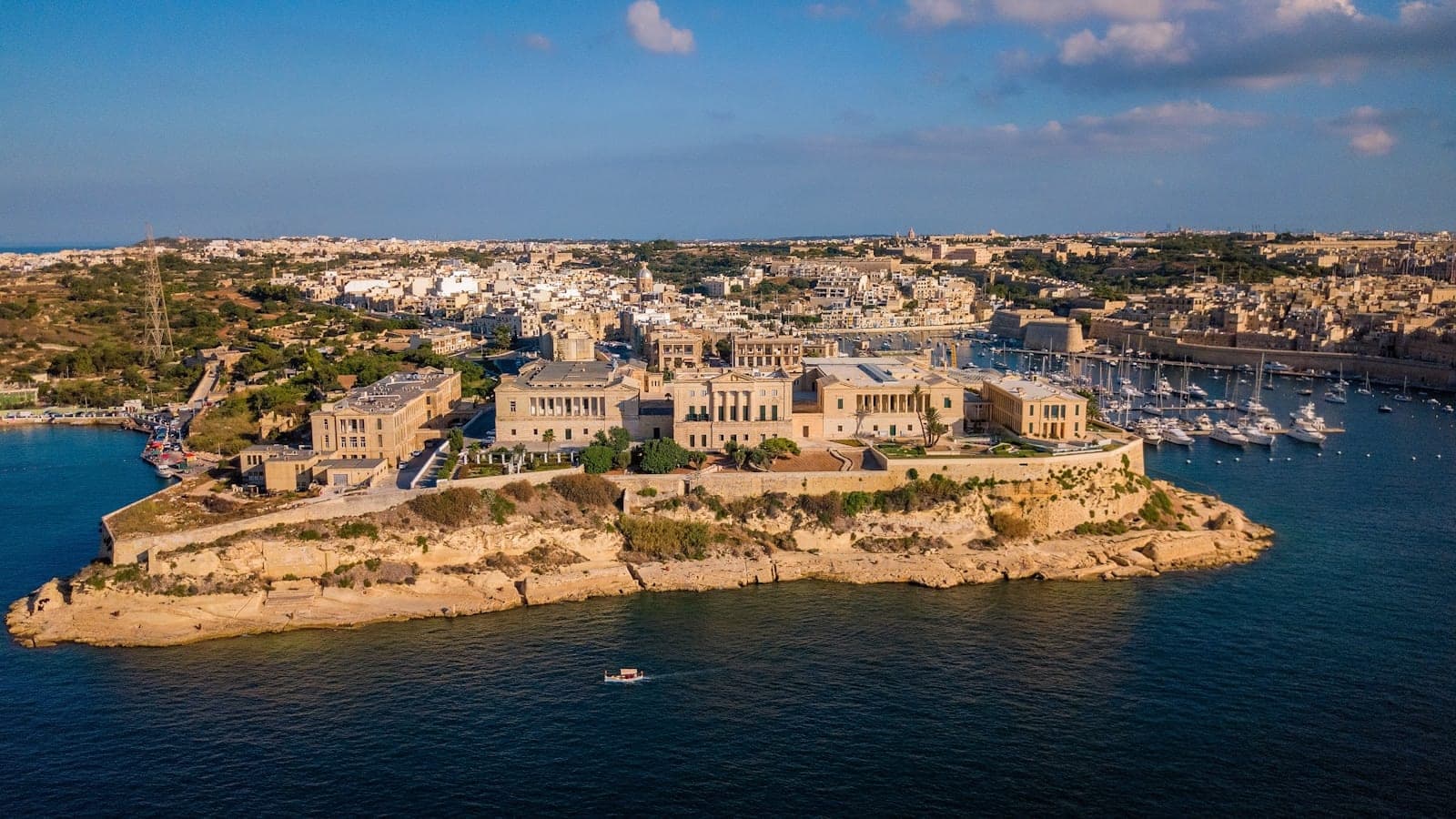
Malta's financial services sector now accounts for nearly 10% of GDP, built on bipartisan support and regulatory innovation from the VFA Act to family offices.
Malta's financial services sector now accounts for nearly 10% of the country's value-added. That did not happen by accident.
The island's journey from a resource-poor economy reliant on manufacturing and tourism to a recognised financial centre is a case study in strategic policymaking. Bipartisan political support for legislative innovation has been the foundation.
The late 20th century saw both sides of the political spectrum back new financial services laws. That consensus remains intact today, allowing the jurisdiction to streamline existing rules and diversify into aviation and family offices.
The Malta Financial Services Authority was established in 2002 as the single regulator. It took on consumer protection, market integrity and financial stability, working alongside the Central Bank of Malta.
FinanceMalta, a public-private initiative launched in 2007, took on the job of promoting the jurisdiction internationally. The timing was right: EU accession in 2004 and eurozone entry in 2008 added credibility.
The iGaming industry had already planted a flag, attracting expatriates with Malta's Mediterranean lifestyle and safety. That created demand for high-end property and offices, and a support ecosystem of legal and tax advisers grew around it.
Legislation for captive insurance in 2009 brought protected cell companies to the island. The Virtual Financial Assets Act of 2018 positioned Malta as an early mover in digital assets, attracting the world's largest alternative investment fund in that asset class.
The regulator has not rested. In 2025 alone, the MFSA launched frameworks for Notified PIFs, special limited partnerships, family offices and tokenisation. Each aims at quality over quantity.
The Malta Financial Services Advisory Council, set up four years ago, brought together government, regulators and private stakeholders. Its masterplan focuses on speed, standards, simplification, specialisation and sustainability. A project management office tracks progress.
Studies are now underway for aviation and aircraft leasing, and for developing Malta's capital markets to attract international listings to the Malta Stock Exchange.
The banking system, once seen as conservative, proved resilient through the 2008 crisis and COVID-19. Low unemployment, rising female participation, better air connectivity and enhanced logistics have all strengthened the broader economy.
FinanceMalta attends dozens of international events each year and runs an annual conference that draws global speakers. International MoUs on compliance, taxation and cross-border crime have reinforced the jurisdiction's reputation.
Malta remains a small island. But its financial services sector shows how bipartisan consensus and regulatory agility can create disproportionate impact.
That is a lesson for any small economy looking to compete globally.