
Malta tourism spend hits €3.9bn as MTA pushes high-value strategy
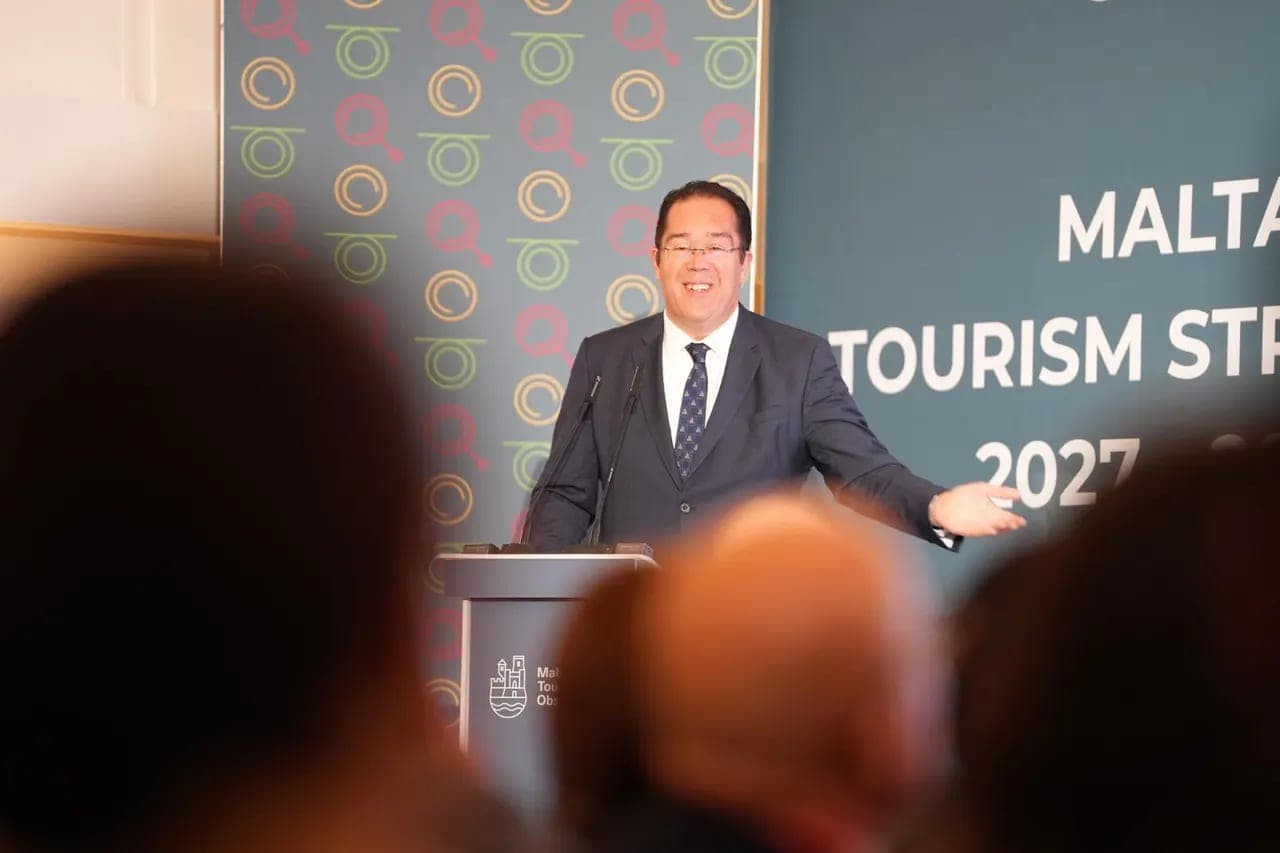
Total visitor expenditure reached €3.9 billion in 2025, up 18.6%, as the MTA launches a strategic review to shift towards year-round, high-value tourism.
Malta’s tourism sector closed 2025 with a record €3.9 billion in visitor expenditure, an 18.6% jump from the previous year. The Malta Tourism Authority used its “Review, Reset, Realign” conference to present the data and outline the next phase of its high-value tourism strategy.
Per capita spending rose to €971, up from €924 in 2024, signalling that growth is coming from quality rather than just volume. Arrivals hit 4.0 million, a 12.9% increase, while guest nights rose 11.0% to 25.4 million. The average stay held at 6.3 nights.
The top five source markets – the UK, Italy, Poland, France and Germany – accounted for 58.6% of arrivals. The UK and Poland gained market share, driven by stronger air seat capacity. Together with Ireland, they contributed nearly two-thirds of the total growth in guest nights.
Demographic data shows an ageing visitor profile. Travellers aged 45 and over made up 67.3% of the total increase in inbound tourists, gaining 3.2 percentage points of market share. The 25-44 bracket represented 35.5% of arrivals, while the 45-64 group accounted for 31.8%.
Deputy Prime Minister Ian Borg described the expenditure figures as “a clear call for all stakeholders to intensify ongoing collective efforts and investments.” MTA Chairman Charles Mangion noted that tourism is now “deeply integrated within Malta’s broader economic fabric” and has “contributed meaningfully to raising standards of living.”
CEO Carlo Micallef said the authority is intensifying marketing in high-footfall locations across priority markets while expanding outreach into long-haul destinations beyond Europe. “The overarching objective is to achieve a balanced and resilient market portfolio,” he said.
For Malta’s business community, the data reinforces a clear trend. The customer base is older, wealthier and more diverse. Hospitality and retail operators will need to adapt their offerings and service models to match the expectations of this higher-spending, year-round traveller. The MTA’s focus on long-haul markets also suggests a deliberate shift away from over-reliance on European seasonal traffic, a move that could smooth revenue cycles for tourism-dependent businesses.