
Malta recalibrates tax and residency pitch for ultra-wealthy and crypto generation
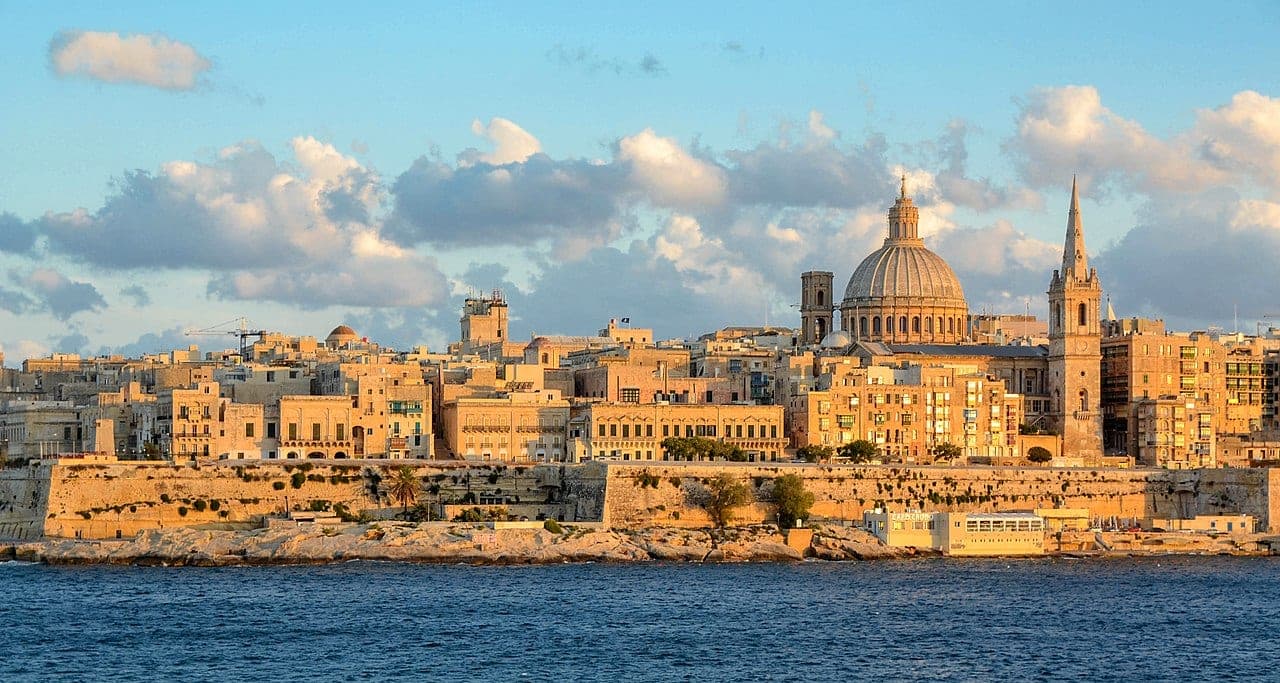
Malta is updating tax rules for the ultra-wealthy while chasing a new wave of clients: crypto investors, YouTubers and family offices with €1bn under management.
Malta has updated its tax framework for highly qualified persons, but the real shift is broader. The jurisdiction is quietly refining its residency and taxation offering to court a very different kind of wealth.
The country’s main attractions remain economic and political stability, an accessible regulator, and innovative legislation. But the private sector, working alongside government agencies and the regulator, is now positioning Malta as a safe haven for those seeking a backup plan.
“We are talking to people who want a ‘plan B’, in case of instability, changes in political direction, and of course war,” said Dr Ramona Cassar, Partner Head of Tax and Private Client at WH Partners, in comments to FinanceMalta.
The profile of the incoming client is also changing. The new generation is not limited to established families. It includes YouTubers, crypto investors, and digital nomads.
Malta was the first jurisdiction to issue guidelines on cryptocurrencies, though those were aimed at companies rather than individuals. The Malta Institute of Taxation is now working with the Malta Tax and Customs Administration on frequently asked questions about crypto.
“That is an important issue as general tax concepts need to be applied to new technology. So we need to break down the technology, understand how to classify it, and determine how to apply tax,” Dr Cassar explained.
The jurisdiction is also turning its attention to family offices. Malta is now aiming at single-family offices with at least €1 billion under management, a significant leap in ambition.
“Malta is realising that it can and should be aiming itself at family offices that have at least €1 billion under management,” she said.
Tax remains important but is no longer the sole driver. The new generation puts tax “on the back burner” and is wary of aggressive tax planning, Dr Cassar stressed. “They are aware that the concept of aggressive tax planning has many negative connotations with which they do not want to be associated.”
Malta offers a remittance basis for taxation, where no tax is payable if money is not brought into the country. But that model is not sustainable for a jurisdiction that wants residents to put down roots. More commonly, individuals remit income and pay progressive rates or apply for tax programmes that reduce the rate on remitted income to a flat 15%.
Succession planning and matrimonial regimes are also key considerations for incoming families. Malta’s fiduciary laws allow foundations or trusts, and the country does not levy tax on capital gains arising outside its borders.
The post-COVID period brought a wave of digital nomads under the Nomad Visa. But new OECD guidelines on what constitutes a home office have created uncertainty.
“It remains to be seen how the tax authorities in various countries will deal with this going forward,” Dr Cassar said. Digital nomads may invoice clients outside Malta in their personal names to avoid creating a permanent establishment that could shift the tax burden.
As Malta targets ultra-high net worth circles, the ecosystem must keep pace. The Highly Qualified Persons Rules cap tax benefits at €7 million, a figure that Dr Cassar noted individuals in that bracket might receive as an annual bonus. The ripple effect is clear: higher expectations for property, professional services, and the broader offering.