
Valletta named world's best city by Condé Nast Traveller readers
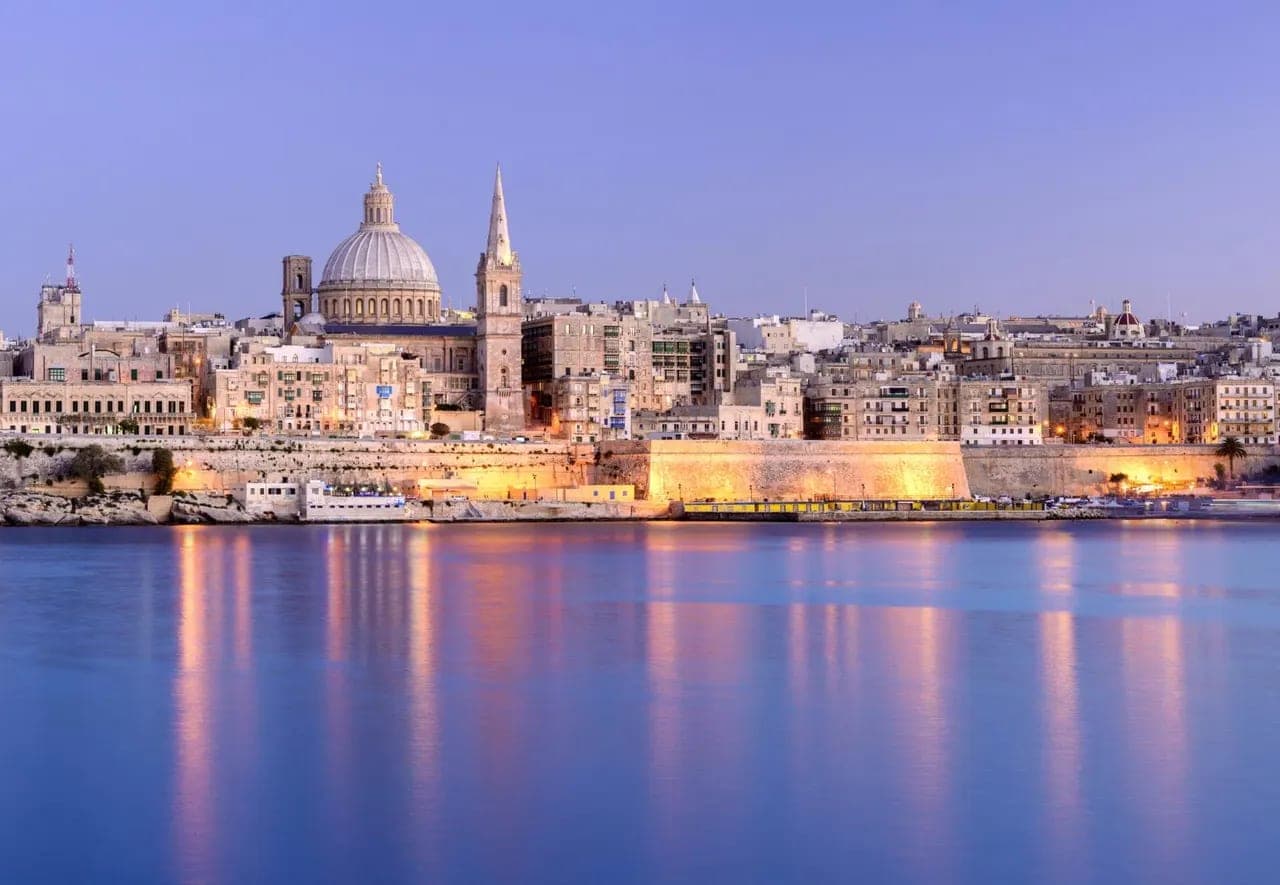
Malta's capital tops global rankings one day after being named Europe's best city, ahead of hosting the WTTC summit in 2026.
Valletta has been ranked the Number One City in the World in Condé Nast Traveller’s Readers’ Choice Awards 2025, according to a press release from the Malta Tourism Authority.
The recognition comes just one day after the capital was named Europe’s Best City. More than 182,500 travellers cast votes in this year’s awards.
Deputy Prime Minister and Minister for Foreign Affairs and Tourism Ian Borg said the back-to-back honours bring immense pride and an equal responsibility to protect and enrich the city.
MTA CEO Carlo Micallef described the twin recognitions as a profound endorsement of Malta’s collective effort to deliver a tourism product defined by quality, depth, and genuine experience.
For Malta’s business community, the awards signal a shift in market positioning. The city is now attracting travellers who prioritise culture, authenticity, and meaningful experiences over mass tourism.
This shift has direct implications for local operators. Hotels, restaurants, and service providers catering to high-value visitors stand to benefit, while the emphasis on sustainability and heritage investment may reshape development priorities.
Valletta’s momentum will continue into 2026 when it hosts the 26th edition of the World Travel & Tourism Council Global Summit from September 30 to October 2.
The summit, the largest tourism event ever held in Malta, will bring together global leaders from the public and private sectors to discuss sustainability, innovation, and investment.
For local businesses, the summit represents an opportunity to showcase Malta on an international stage and to forge connections that could drive long-term economic growth.