
South Korea's $523m AI port testbed sets new benchmark for global shipping
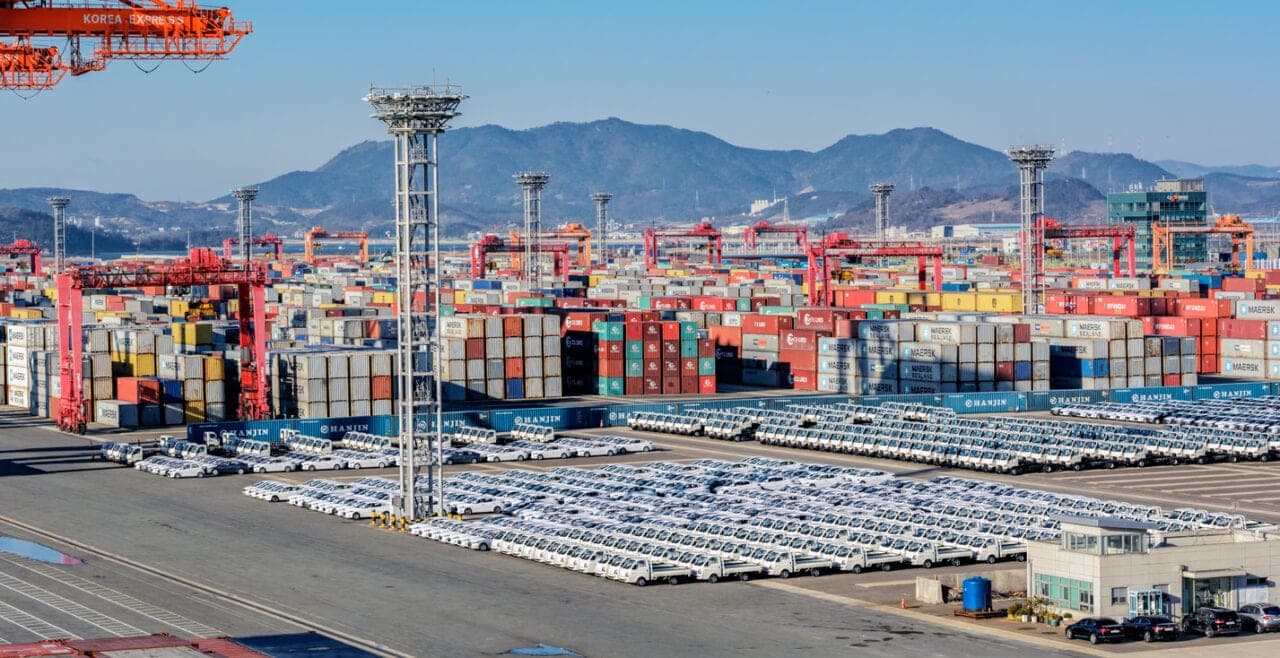
South Korea has begun construction on a fully automated container terminal at Gwangyang Port, investing $523m in a national testbed for AI-driven port technology.
South Korea has broken ground on a fully automated container terminal at Gwangyang Port, a $523 million bet on physical AI that could reshape global port productivity standards.
The project, is part of a national strategy to transform the country's ports into fully autonomous logistics systems.
Minister Hwang Jong-u of the Ministry of Oceans and Fisheries said the testbed will become a key base leading Korea's physical AI port innovation by strengthening port technology competitiveness and supporting overseas market entry through the use of domestic equipment and systems.
The terminal at Gwangyang's Phase 3-2 site will use domestically produced cargo-handling equipment, container transfer systems and a port operating system.
Investment stands at 772.4 billion won through 2029. The facility will have four berths with a combined annual handling capacity of 1.36 million TEUs.
Technology developed at Gwangyang will first be trialled there before being introduced at the first phase of Jinhae New Port, scheduled to open in 2032.
The government is targeting a 30% increase in port productivity, a reduction in workplace accidents, and a 10% share of the global port equipment market by 2035.
The first phase of the wider infrastructure programme is valued at approximately 7.92 trillion won ($5.36 billion). It includes 198 autonomous port cranes, comprising 36 ship-to-shore units and 162 yard cranes, alongside 171 automated guided vehicles and an AI-based terminal operating system.
The ministry also plans to develop autonomous links connecting ports with inland, maritime and air logistics networks. Policy financing and government funding will be used to ease cost pressures on private terminal operators.
For Malta Freeport, which handles over 3 million TEUs annually, this development signals a rapid acceleration in port automation standards globally. While Malta has invested in some automation, South Korea's scale and government-backed financing could pressure Mediterranean ports to accelerate their own digital transformation to maintain competitiveness.
The use of domestic equipment also suggests a push for self-sufficiency in port technology, which could affect global supply chains for port equipment.
Small but strategically located ports must watch these developments closely. The benchmark for port productivity is being reset, and the window for catching up may be narrower than it appears.