
Qormi bread: a centuries-old delicacy with modern market potential
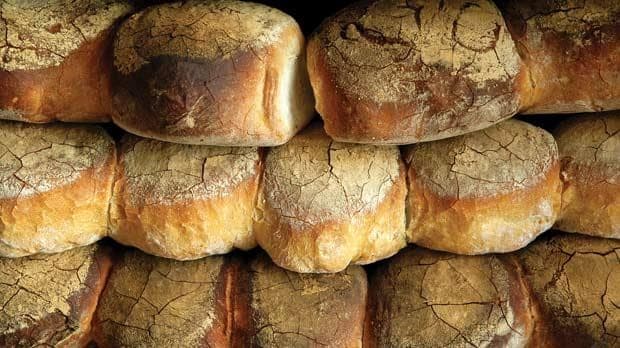
Only a handful of bakers still make Qormi bread in the traditional way. Chef André Borg explains why this unique product matters for Malta's culinary identity.
Qormi bread is more than a local staple. For centuries it has defined a town and its people. Now, with only a handful of bakers still producing it in the traditional way, its survival is a question of cultural and economic significance.
In the time of the Knights of Malta, Qormi was known as Casal Fornaro, the town of bakeries. As the MICHELIN Guide reports, the bread has been baked there since at least the 16th century. Its reputation spread far enough that people travelled from across the island to buy it.
The bread uses just four ingredients: wheat flour, yeast, water and salt. What gives it its character is the method. The loaves are baked directly on stone in wood-fired ovens reaching 400-500 degrees Celsius. Each loaf takes about four minutes.
Chef André Borg, co-founder of the restaurant Terroir in Attard, described the result as a multi-sensory experience. “The experience lies in the contrast between the extremely crisp crust, with its slightly nutty or caramel-like bitterness, and the crumb, replete with air pockets and bearing the delicate allure of a soufflé,” he said.
Borg learned to appreciate the bread as a child when his grandmother gave him pieces with olive oil and tomatoes. Only later did he understand its uniqueness. After training in London with Gordon Ramsay, he returned to Malta with a deepened awareness of how terroir affects quality.
The bread cannot be replicated in modern gas or electric ovens. The wood fire, the extreme heat and the direct stone baking are all essential. Bakers often carry over part of the old yeast to the new dough, maintaining continuity across generations.
For Malta’s business community, Qormi bread represents an intangible asset with commercial potential. Its distinctiveness could strengthen the country’s gastronomy tourism offer, drawing visitors interested in authentic, artisanal food experiences. But that potential depends on preserving the knowledge and the ovens.
Only a handful of bakers remain active in Qormi today. Without deliberate support, the tradition could fade. For a small market like Malta, holding on to such a product is not just about heritage. It is about maintaining a competitive edge in the global food and travel economy.