
New guided tours and eco-parks to boost sustainable tourism
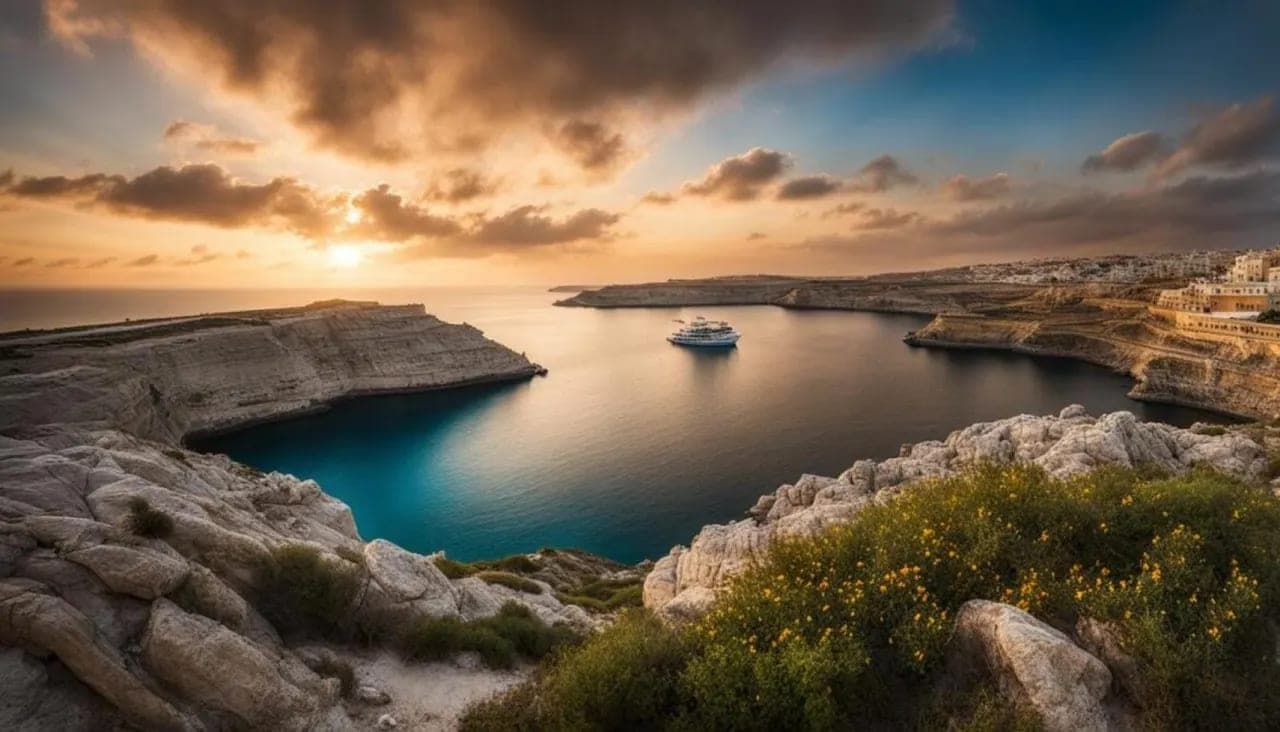
New guided tours in Mdina, eco-parks, and enhanced marine park experiences aim to manage tourist spots and preserve Malta's environment for future generations.
The Malta Tourism Authority has launched a fresh wave of initiatives designed to manage popular tourist spots while keeping them pristine for generations to come. The move signals a strategic push toward sustainability that carries clear commercial implications for the local tourism industry.
New guided tours in the historic city of Mdina now offer visitors a deeper look into the island's past while protecting its architectural treasures. These tours are part of a broader effort that includes new eco-parks and enhanced marine park experiences, from hiking trails to guided snorkeling sessions that educate travelers about the delicate Mediterranean ecosystem.
Marine Protected Areas have been established to preserve the waters around Malta, a move that benefits both wildlife and the tourism sector. Operators offering snorkeling and diving in the Blue Lagoon or the Santa Maria Caves can now market these experiences as eco-conscious activities that teach marine biodiversity.
On land, the government and local organisations are working to combat urban sprawl and preserve green spaces. National parks and heritage sites such as Buskett Gardens provide tranquil escapes for nature lovers while safeguarding the island's ecological balance.
For Malta's tourism businesses, these initiatives open up new product lines and marketing angles. Responsible tour operators that emphasise conservation stand to gain as travelers increasingly seek sustainable options. The MTA's push also strengthens Malta's brand as a destination that takes environmental stewardship seriously, potentially attracting higher-spending visitors who prioritise eco-tourism.