
MSC shipmanager fined $6m for covering up engine fault that caused Charleston runaway
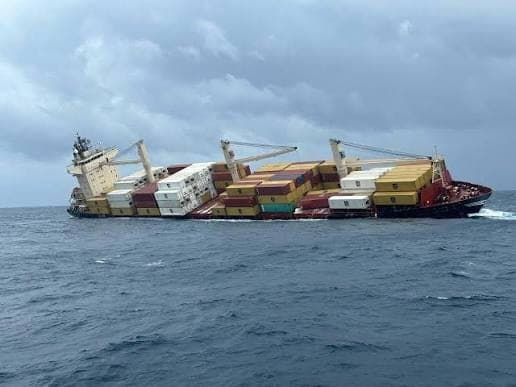
MSC Shipmanagement fined $6m and placed on probation for concealing engine faults and obstructing US investigators after a runaway ship incident in Charleston.
MSC Shipmanagement has been fined $6 million and placed on four years' probation after admitting to concealing a hazardous engine-control problem aboard the MSC Michigan VII and obstructing the subsequent US investigation.
The Cyprus-based vessel operator pleaded guilty to failing to report the hazardous condition to the US Coast Guard and obstructing an investigation by the Coast Guard and the National Transportation Safety Board.
MSC Shipmanagement must also carry out a root-cause analysis covering the machinery problems aboard the ship.
Chief engineer Fernando San Diego San Juan, who previously pleaded guilty to the same offences, was fined $2,000.
The case stems from the MSC Michigan VII's runaway transit through Charleston Harbor in June 2024.
The boxship was outbound on the Cooper River when the crew lost control of the main engine. The vessel accelerated to between 16 and 17 knots, prompting authorities to evacuate the Arthur Ravenel Jr Bridge, clear nearby beaches and remove traffic from the shipping channel.
The pilot managed to guide the ship beneath the bridge and into open water. The ship's wake injured two recreational boaters and damaged vessels and port facilities, with losses estimated at more than $500,000.
MSC Shipmanagement and San Juan admitted that engineers had been manually adjusting the linkage rod between the engine governor and fuel rack when the engine failed to match orders from the bridge.
None of the engineering crew was qualified to carry out the work. The nuts at both ends of the rod had been loosened to make adjustments easier, while locking washers intended to keep the assembly in place had been removed.
The linkage disconnected during the outbound transit, leaving the main engine unable to slow down.
San Juan later denied that the crew had adjusted the rod or experienced delays between bridge commands and engine response. The chief engineer also told three crewmembers to repeat the same account to investigators.
The Coast Guard detained the ship for about six weeks before allowing the vessel to leave Charleston under a three-tug escort. The NTSB's probable-cause investigation remains open.
For Malta's maritime sector, the case is a stark reminder that operational shortcuts and attempts to conceal them carry heavy financial and reputational penalties. With the island's flag registry and ship management firms under international scrutiny, the MSC fine underscores the cost of non-compliance in US waters and the importance of rigorous engineering standards.