
MSC Seashore Marks Five Years: What Valletta Calls Mean for Malta's Cruise Economy
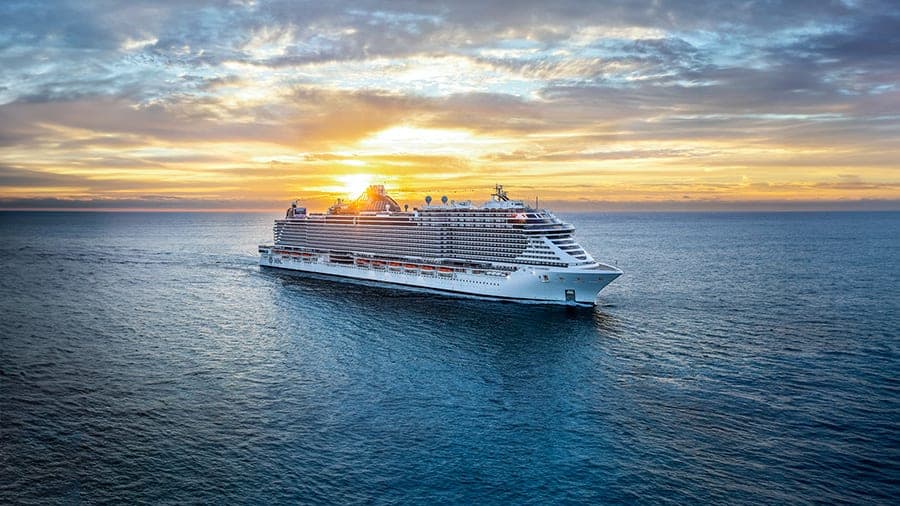
MSC Seashore marks five years of service, with repeated Valletta calls underscoring Malta's role as a Mediterranean cruise hub.
MSC Cruises' MSC Seashore has completed five years of service since its delivery from Fincantieri on July 26, 2021. The 170,000-ton vessel, the third in the Seaside-class series, was built at the Monfalcone shipyard in Italy.
The ship introduced significant design changes compared to its predecessors, including a two-story nightclub, an enlarged self-service restaurant, and new lounges. It entered service with a maiden season in the Western Mediterranean, offering seven-night cruises that included Valletta alongside Genoa, Naples, Messina, Barcelona, and Marseille.
For Malta, those regular calls translate into direct economic impact. Each port visit generates revenue through passenger spending, port fees, and services from local suppliers. The 4,560-passenger capacity means thousands of potential visitors disembarking in Valletta per sailing.
The ship crossed the Atlantic in October 2021 for its North American debut, later sailing in South America before returning to Europe. For the past several years, it has operated year-round from Port Canaveral on three- to 11-night itineraries.
In late 2027, the MSC Seashore is scheduled to reposition to PortMiami for six- to nine-night Eastern Caribbean cruises. It then returns to Europe in March 2028 for a summer season in the Western Mediterranean, likely renewing its Valletta calls.
Earlier in 2026, the ship underwent a refit in the Bahamas that added two casual eateries: Red Cactus BBQ & Ribs and Chicken Man. The grab-and-go restaurants on outdoor decks serve American barbecue, chicken tenders, and sandwiches.
For Maltese businesses, the MSC Seashore's trajectory underscores a broader trend: the Mediterranean remains a core deployment region for major cruise lines, and Valletta's position as a scheduled port of call remains secure in MSC's rotation. The return of a ship of this size in 2028 will again test Malta's port capacity and the ability of local tourism operators to capture passenger spend.