
Malta steps up EU semiconductor push as Chips Act 2.0 takes shape
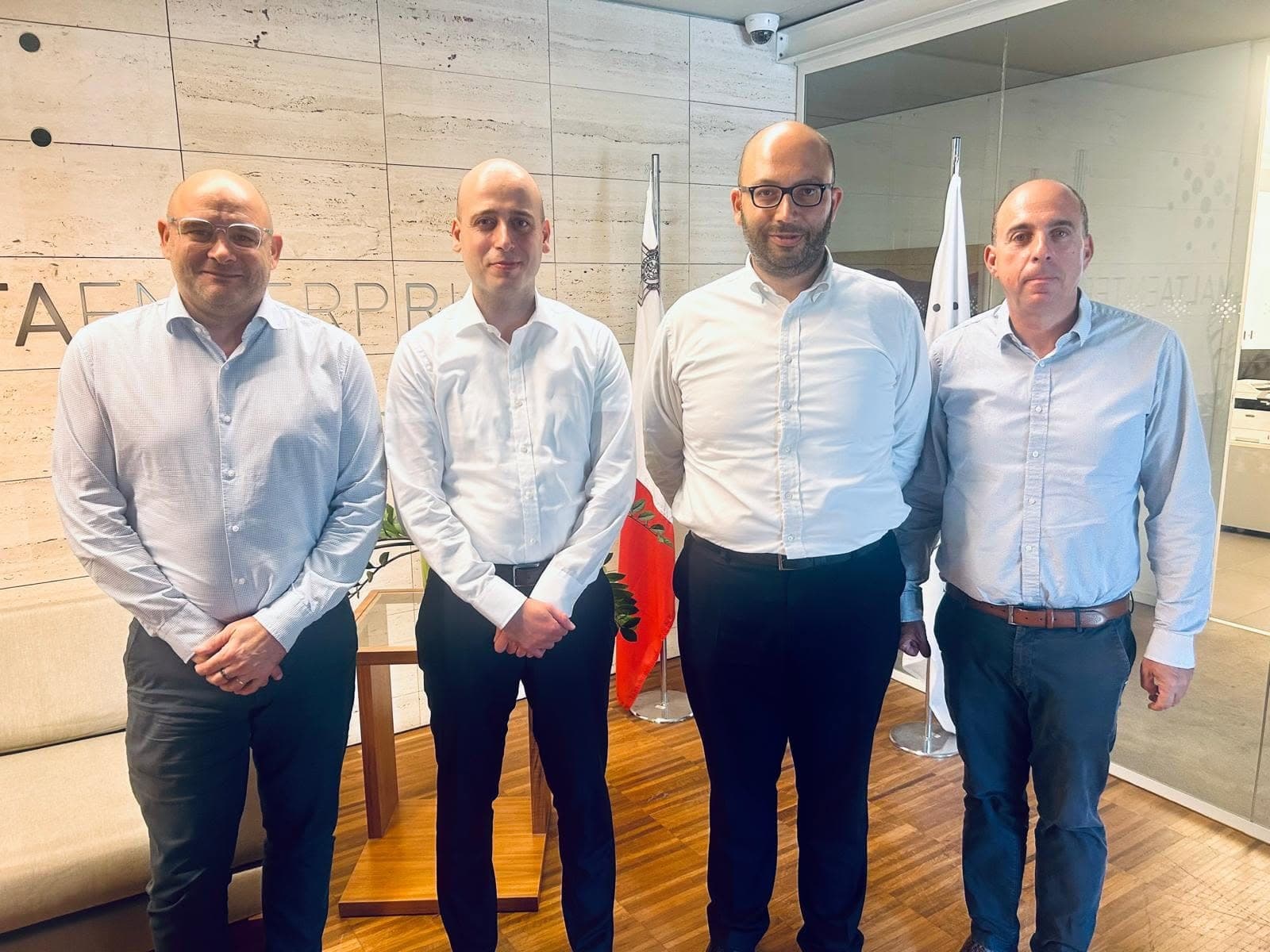
Malta Enterprise is positioning the island for a role in Europe's semiconductor strategy as the EU Chips Act 2.0 gains momentum.
Malta Enterprise is pressing its case for a place in Europe's semiconductor future as Brussels moves on the EU Chips Act 2.0, with the agency briefing officials on where the island could fit into the bloc's chip strategy.
Matthew Xuereb, a Policy Officer at the European Commission's DG CNECT, walked representatives from the Ministry for Economy, Technology and Strategic Projects, the Permanent Representation of Malta to the EU and EUCD through the details. The session zeroed in on Europe's ambition to expand manufacturing capacity, strengthen supply chain resilience and close the skills gap that threatens the semiconductor ecosystem.
For Malta, the exercise is about more than policy monitoring. The agency's Economic Intelligence & EU Affairs Unit has been tracking these developments to identify concrete openings for local business and institutions, according to Malta Enterprise.
The strategic goal is to position the island inside Europe's evolving semiconductor landscape and to stake out a role in the bloc's digital and industrial priorities. That is a meaningful shift for a small economy that has historically relied on services and tourism rather than advanced manufacturing.
Chip supply chains have become a geopolitical pressure point, and EU member states are now competing for influence over where production, testing and expertise are anchored. Malta's pitch will hinge on offering something distinctive, whether in specialised skills, design, niche manufacturing or testing capacity, rather than taking on larger industrial hubs head-on.
The timing matters. With the Chips Act 2.0 taking shape, the window for shaping national allocations and EU funding priorities is open, and Malta Enterprise is signalling it intends to be in the room.
For local firms, the takeaway is direct: semiconductor policy is no longer a distant Brussels matter. It now reads as a potential source of investment, talent pipelines and new business lines, provided the island moves early enough to convert policy interest into commercial reality.