
Power outages expose limits of low-value economic model
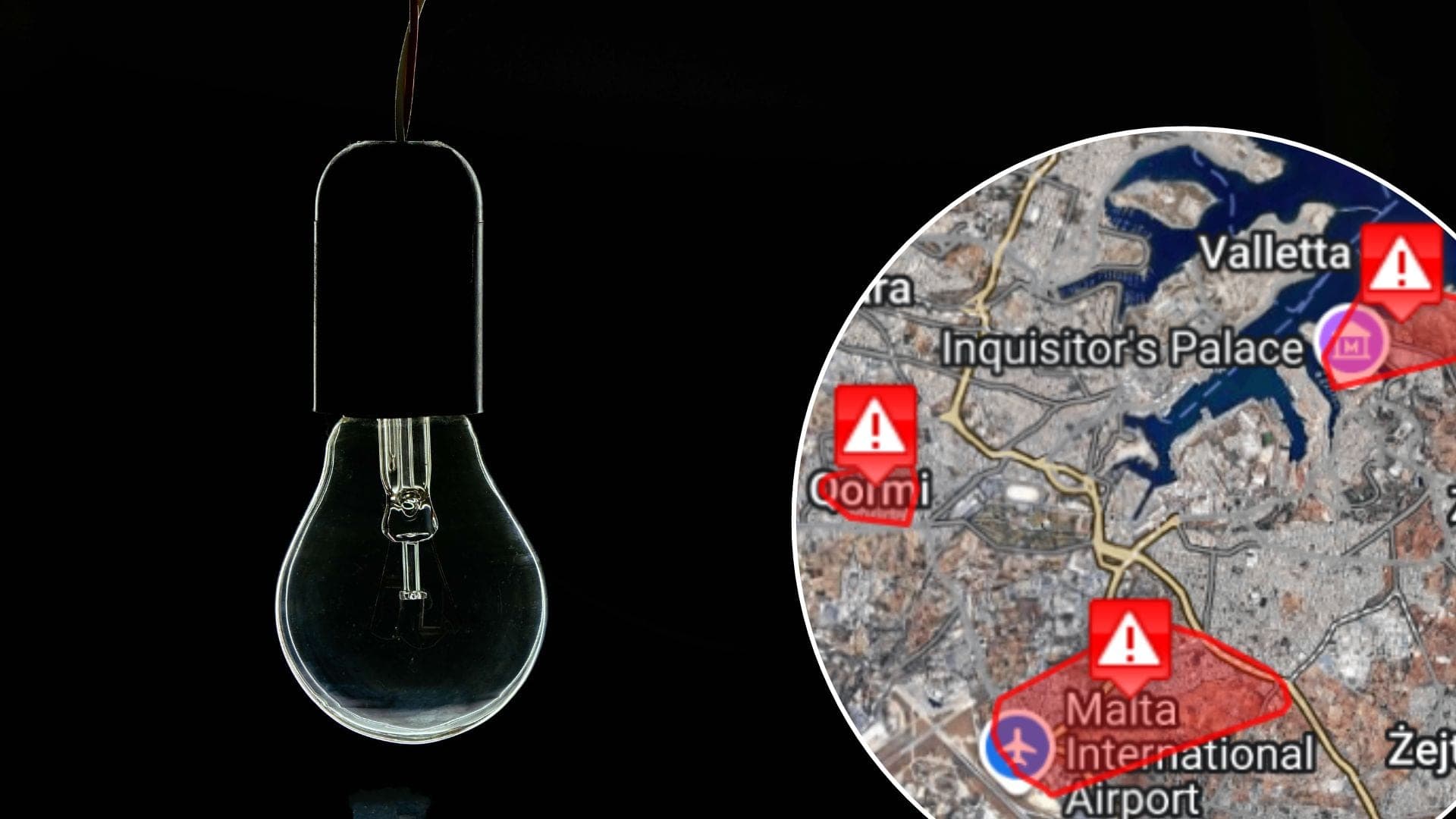
The Malta Chamber warns recurring power cuts are eroding business confidence and says the country's growth model has reached its physical limits.
The Malta Chamber of Commerce, Enterprise and Industry has issued a stark warning over the recurring power outages hitting businesses and households across Malta and Gozo.
The Chamber said the disruptions are increasingly disrupting economic activity, daily operations and quality of life, ultimately undermining operational reliability and eroding confidence in the country’s infrastructure.
It pointed out that the strain on the grid was entirely predictable. Population growth, rising tourist numbers, and soaring temperatures from climate change all placed additional and predictable pressures on existing infrastructure. Yet upgrades and forward planning did not keep pace.
The Chamber said the investment carried out was not enough. Rather than visibility on the millions already spent on distribution network fixes, the country needs visibility on the total investment expenditure required to solve the problem once and for all, supported by a doable roll-out plan with clear implementation milestones.
But the Chamber went further, linking the energy crisis directly to Malta's broader economic model. It said the root cause of the energy distribution capacity problem, just like the traffic issue, is linked directly with the country's growth model.
It described that model as being based on low value added growth that requires high input of low skilled workers. That model, the Chamber said, has reached its physical limits.
Transforming the economy to achieve much higher productivity levels should be Malta’s most important holistic project, the Chamber argued.
The Chamber also stressed that energy security is not only about generating more electricity. It said the current framework does too little to reward energy efficiency or encourage responsible consumption.
It urged the Government to act with urgency and resolve, arguing that addressing the issue is essential to safeguard economic resilience, maintain competitiveness, and protect the quality of life of residents and the sustainability of business activity.
In a pointed conclusion, the Chamber said: 'We cannot speak of Malta Vision 2050 when we are still failing at the basics. If we cannot guarantee a reliable electricity supply today, any discussion about the Malta of 2050 risks becoming little more than an exercise in rhetoric.'