
HMM's Tacoma terminal upgrade: a signal for global shipping and Malta
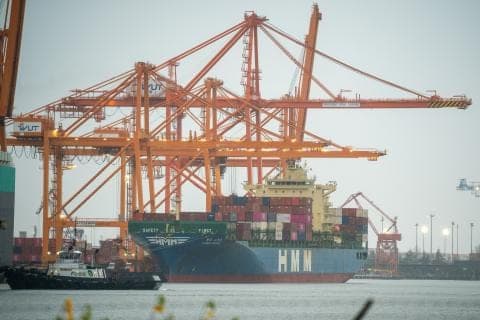
HMM's 49% capacity boost at Tacoma shows the race to handle mega-ships. Malta's maritime sector must take note.
HMM is investing in Washington United Terminals in Tacoma, boosting capacity by nearly 50% from 590,000 to 880,000 TEUs. The move is part of a broader push among North American ports to handle the largest container vessels.
The project includes replacing two ageing ship-to-shore cranes and adding two rubber-tyred gantry cranes. New equipment is expected to be delivered and commissioned by 2028, signalling that HMM sees Tacoma as a long-term anchor in its network.
Dick Marzano, NWSA Co-Chair, said investments like this demonstrate confidence in the Seattle-Tacoma gateway. “HMM’s commitment to Washington United Terminals strengthens Tacoma Harbor’s role in global trade while creating the infrastructure needed to support future growth, larger vessels, and reliable service for our customers.”
Ryan Calkins, NWSA Co-Chair, added that the investment reinforces HMM’s commitment to anchoring cargo in the gateway. “That’s good news for our gateway, our customers, and the thousands of jobs supported by international trade across our region.”
For Malta, the implications are direct. The Mediterranean’s transshipment hubs, including Malta Freeport, face the same pressure to deepen berths, strengthen cranes, and handle ultra-large vessels. If they don’t, cargo lanes shift toward competitors.
The Tacoma upgrade is one of several across the US West Coast. Similar modernisation is underway in Los Angeles, Long Beach, and Vancouver. The pattern is clear: ports that fail to invest risk losing calls to bigger, better-equipped rivals.
HMM’s move also highlights the growing importance of terminal ownership and long-term commitments. Carriers are increasingly tying themselves to specific terminals, which changes the dynamics for independent terminal operators like those in Malta.
The NWSA gateway is positioning itself for the next generation of vessels. For Malta’s maritime sector, the message is that infrastructure investment is not optional. It is the price of staying relevant in global trade routes.