
Heritage Malta's Paris Exhibition: A Strategic Play for Cultural Tourism
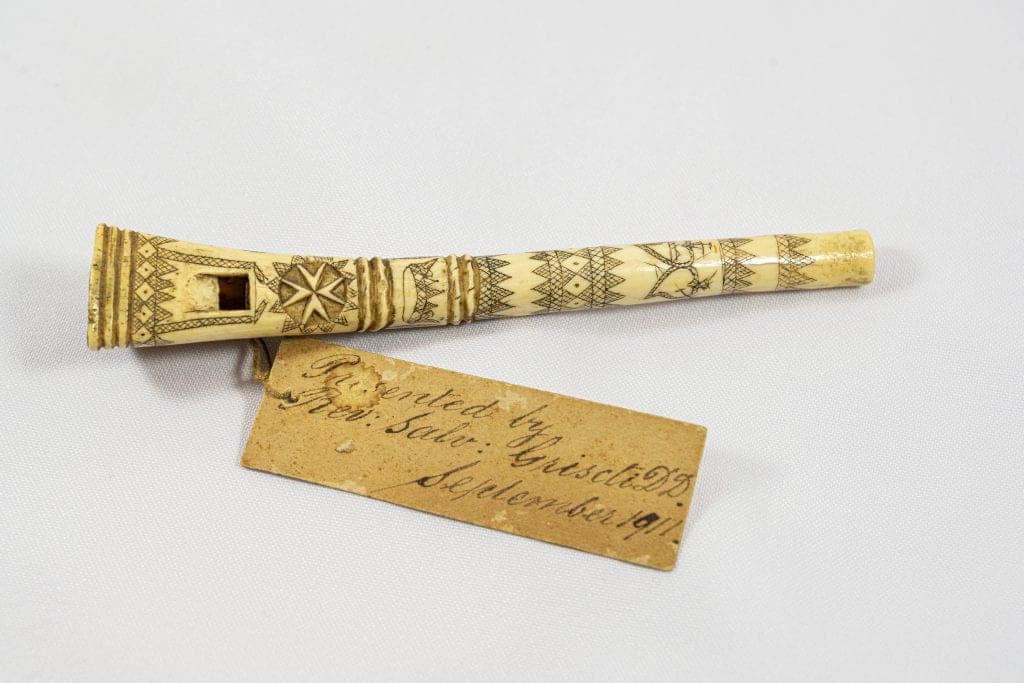
Heritage Malta loans rare artefacts to a major Paris exhibition on Mediterranean slavery, positioning the island's cultural heritage as a tourism draw.
Heritage Malta is deploying its national collections as a tool for international cultural diplomacy, loaning rare artefacts to a major Paris exhibition on Mediterranean slavery.
The exhibition, titled 'Slaves in the Mediterranean, 17th-18th Centuries', runs at the Institut du Monde Arabe until 19 July 2026. It features 17th- and 18th-century items from Malta's national collections, including a rare galley whistle, tobacco pipes, cooking vessels, dice and drawings.
A standout piece is the 1741 Hospitaller knight's bosun's whistle, crafted from engraved bone and used to regulate the rowing rhythm of enslaved oarsmen. The whistle is a contemporary of the 1749 slave conspiracy, which Heritage Malta has previously explored through a publication with researcher Professor William Zammit and the immersive exhibition 'Betrayal and Vengeance' at the Inquisitor's Palace.
Also on display are three of 19 drawings showing the executions of alleged conspirators in the revolt's aftermath, restored by Heritage Malta's Conservation Laboratories. Items created by the enslaved themselves, such as a floral etching by a Muslim slave from Damietta, offer a counterpoint to the objects of control.
Noel Zammit, Heritage Malta's Chief Executive Officer, said the collaboration places Malta firmly within an international narrative. "These objects carry powerful human stories and sharing them allows us to engage global audiences with stories that remain deeply relevant today," he added.
For Malta's business community, such exhibitions are more than cultural showcases. They reinforce the island's brand as a heritage destination, a key differentiator in the competitive Mediterranean tourism market. Loaning artefacts to prestigious international venues like the Institut du Monde Arabe signals that Malta's collections are of global significance.
The exhibition also includes artefacts from other foreign museums, such as Favray's painting 'Ladies of Malta Paying a Visit' from the Louvre, depicting a black servant in a Maltese high society scene. A letter from a Moroccan captive, Lālla Fāṭna, held in Malta in the late 18th century, is on loan from the National Historical Archive in Madrid.
Heritage Malta's strategy of international partnerships and loan programmes is a long-term investment in cultural visibility. The agency's conservation work and research output, as seen with the 1749 conspiracy exhibit, add depth to the objects on display, making them more compelling for international audiences.