
Generational rift over foreign workers: what 53% acceptance means for Maltese employers
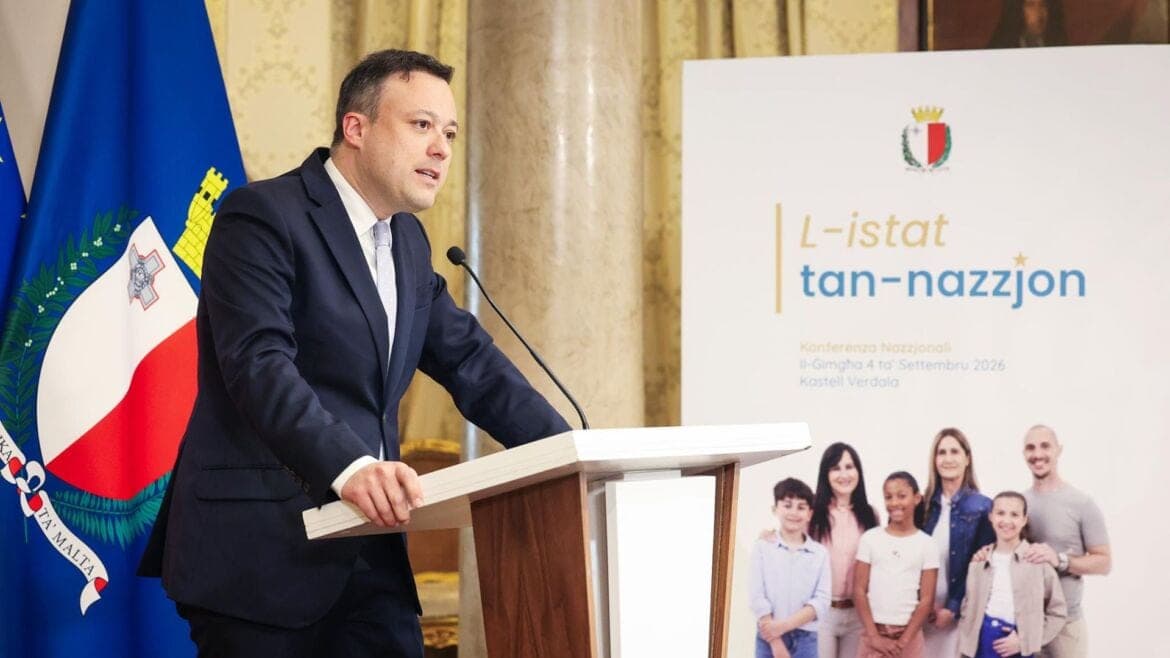
53.2% of Maltese accept foreigners doing unwanted jobs, but young people disagree. For employers, this signals a looming mismatch in labour supply and sentiment.
Over half the Maltese population accepts foreign workers filling jobs locals avoid, according to the State of the Nation survey. But the headline figure masks a sharp generational divide that carries real consequences for businesses dependent on imported labour.
53.2% of respondents said they are comfortable with foreigners doing jobs Maltese do not want to do, against 37.8% who disagree. 8.9% remain unsure, the survey found.
The picture shifts when age is factored in. Only 42.9% of 16 to 25 year olds support the arrangement, and 42.1% of 26 to 35 year olds. In both age brackets, the no vote outranks the yes: 44.9% and 49.2% respectively.
At the other end, 62.4% of respondents over 66 said yes, and 62.2% of those aged 56 to 65.
For employers, the numbers point to a potential disconnect. Older age groups, which are retiring, broadly accept foreign labour. Younger cohorts, who will form the future workforce, are less comfortable with the model.
This could tighten the labour market further if younger Maltese workers become less willing to accept a system that relies on non-Maltese staff for lower-preference roles. Sectors such as hospitality, construction, and care work may face increased recruitment difficulty or pressure to raise wages to attract local younger workers.
The survey also measured attitudes to multiculturalism broadly. 22.7% of Maltese said they are completely uncomfortable with it, while 10.8% said they are very comfortable. The largest group, 33.3%, placed themselves at the midpoint.
Businesses planning long-term workforce strategies cannot ignore the generational split. The acceptance of foreign workers is not stable across age groups, and the youngest cohorts, who will shape tomorrow's labour market, show the strongest resistance.