
Events industry delivers instant cash flow for SMEs, says Malta Chamber deputy
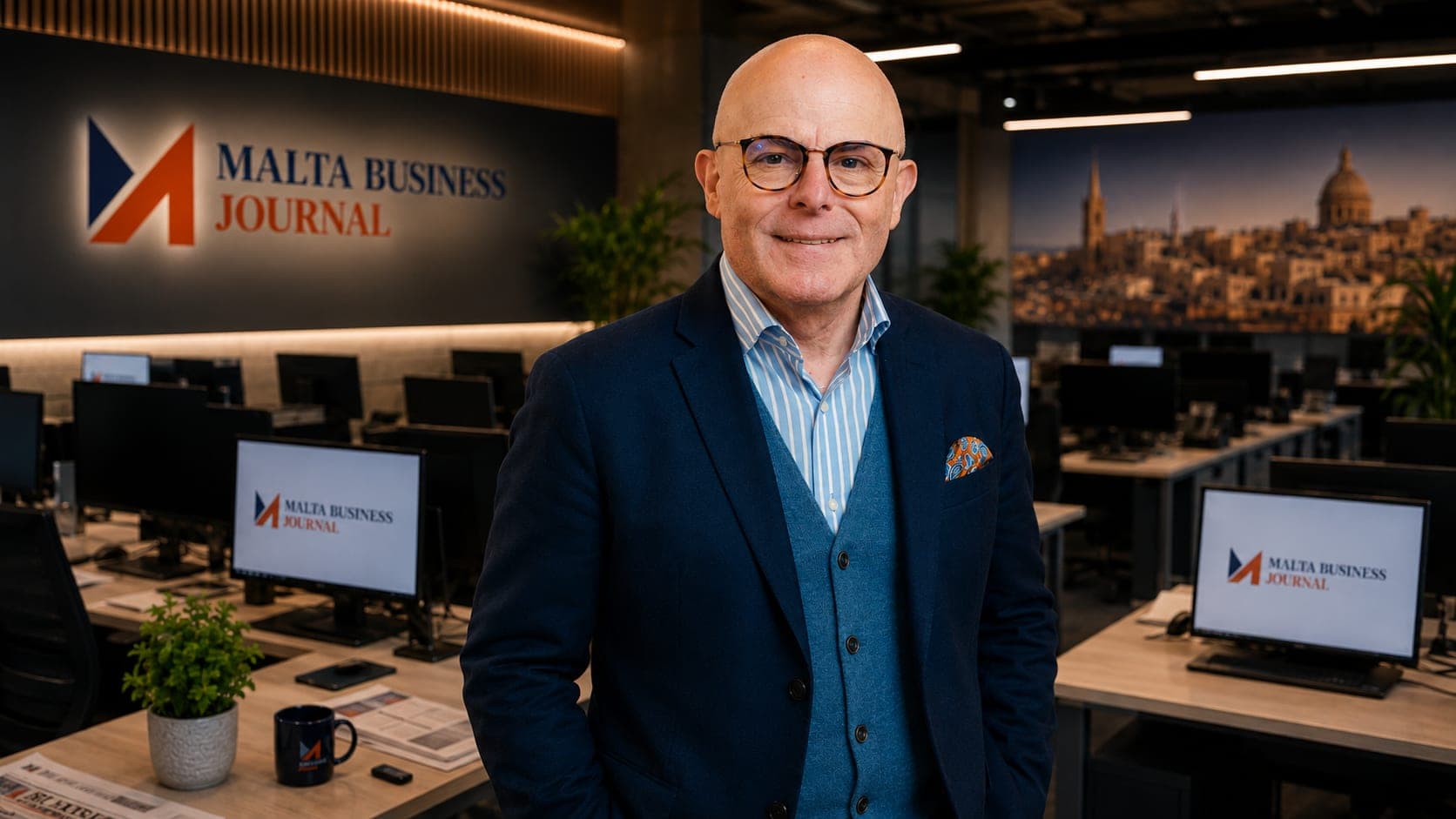
Philip Fenech says the sector provides direct economic value and a high multiplier effect across hospitality, retail, and professional services.
Malta’s events industry is more than a calendar of conferences. It is a liquidity engine for small businesses.
Philip Fenech, Deputy President of the Malta Chamber of SMEs, described the segment as significant, creating a lot of value added to the country’s economy.
In comments given to SiGMA World, Fenech stressed that the industry’s growth has spurred demand not only in event operations but also in education and workforce development.
The Chamber and national stakeholders, he said, are preparing people to handle it even better from an educational point of view, so that human resources will not be as challenging to find as they have been.
Home-grown events such as SiGMA World have helped attract global attention. Fenech said these gatherings must be assessed from various angles, including the direct demand on the economy.
The impact cascades through a broad network. Lawyers, accountants, IT specialists, technicians, suppliers, and freelancers all form part of an ecosystem that, in Fenech’s words, literally eats from this business in particular.
Foreign professionals attending and working in Malta’s events ecosystem are treated as permanent tourists. They use restaurants, bars, clubs, boutiques, and also real estate renters.
That spending ripples further. Fenech pointed to the sector’s large multiplier effect, connecting directly to hospitality, retail, transport, and ancillary services.
Hotels and hospitality providers see direct uplift. International conferences pay better rates and delegates ask for the best services, not comparable to an average tourist.
Champagne is popped and good food is ordered. The spending patterns of business travellers trigger wider demand for car hire, event-specific functions, catering, entertainment, and bespoke services.
For SMEs, the cash injection is immediate. Fenech said: “This business also brings instant cash, and small businesses always have cash flow problems, so when you get something like this, it gives them a tremendous, good cash injection.”
The economy, he added, moves in real time.
Attendees often explore local historical sites and independent businesses, especially in Valletta, deepening the economic contribution beyond the event footprint.
Malta’s economic maturity now allows the country to be picky and choosy. Fenech identified the events industry as one of those segments that will give a high value-added chain, with collateral damage less than in other parts of the economy.
Past events were sometimes a bit too big for the size of the island, leading to decisions to divide activities across venues. Plans are now underway for a good expo venue that is being negotiated and expanded.
Improved planning, refined logistics, and expanded venues would allow Malta to host large events more frequently.
The government’s Vision 2050 framework aims to refine economic segments for long-term sustainability. The events sector fits squarely within that strategy.