
Cruise port arms race: Port Canaveral's $95m terminal upgrade signals what Malta must match
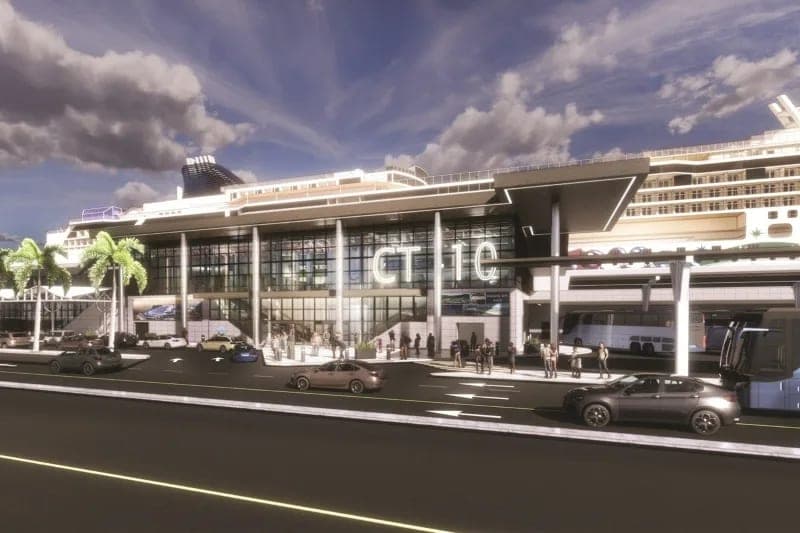
Port Canaveral has broken ground on a $95m terminal expansion, raising the bar for cruise infrastructure globally and putting pressure on Malta to keep pace.
Port Canaveral has broken ground on a $95 million expansion and renovation of Cruise Terminal 10, a project that will lift the facility to 145,000 square feet and make it 30 percent larger than the current space. Completion is set for November 2027.
The terminal will be able to handle the industry's largest ships, carrying up to 6,700 passengers. The investment is part of the "Port Canaveral Advantage" programme, a five-year capital plan worth nearly $1 billion that also includes an expansion of Cruise Terminal 5 and a new 13-storey parking garage at Terminal 6.
Captain John W. Murray, Port Canaveral CEO, said the design draws on operational experience. "We've taken everything we've learned about cruise operations to create a terminal that is highly functional and visually beautiful," he stated in comments reported by Cruise Industry News.
Murray added that the port's cruise investments are focused on making guest arrivals and departures comfortable and efficient, supporting the high quality experience for cruise partners and their guests. The terminal will feature a glass façade, natural light, artwork, expanded security and luggage areas, new elevators and escalators, updated signage, and HVAC systems.
For Malta's cruise tourism sector, the scale of Port Canaveral's spending is a direct signal. Valletta Cruise Port competes for Mediterranean itineraries, and the global benchmark for terminal quality is rising fast. A $1 billion capital programme at a single US port means cruise lines increasingly expect seamless, premium infrastructure at every stop.
Malta's own terminal facilities, while functional, have not seen a comparable wave of investment. The Valletta waterfront is constrained by heritage and space, but the standards set by Port Canaveral and other modernising ports will influence how cruise lines allocate ships and passenger spend.
Without a clear upgrade strategy, Malta risks being seen as a secondary call rather than a premium homeport or turnaround destination. The Port Canaveral project, designed by Miami-based Bermello Ajamil and built by Orlando's PCL Construction Services, shows the level of capital and design thinking now considered baseline in the industry.
The message for Maltese port authorities and tourism stakeholders is straightforward: the cruise infrastructure arms race is accelerating, and staying still means falling behind.