
Ċirkewwa Marine Park Plan Sets New Rules for Diving, Boating and Tourism Operators
Malta's first marine park moves from designation to active management, with zoning, mooring rules and digital tools that will affect businesses operating in the area.
Malta's first Marine Park is no longer just a line on a map. The Ċirkewwa Marine Park Management Plan, officially launched this week, turns years of legal designation into an operational framework that will reshape how diving, boating and tourism businesses use the area.
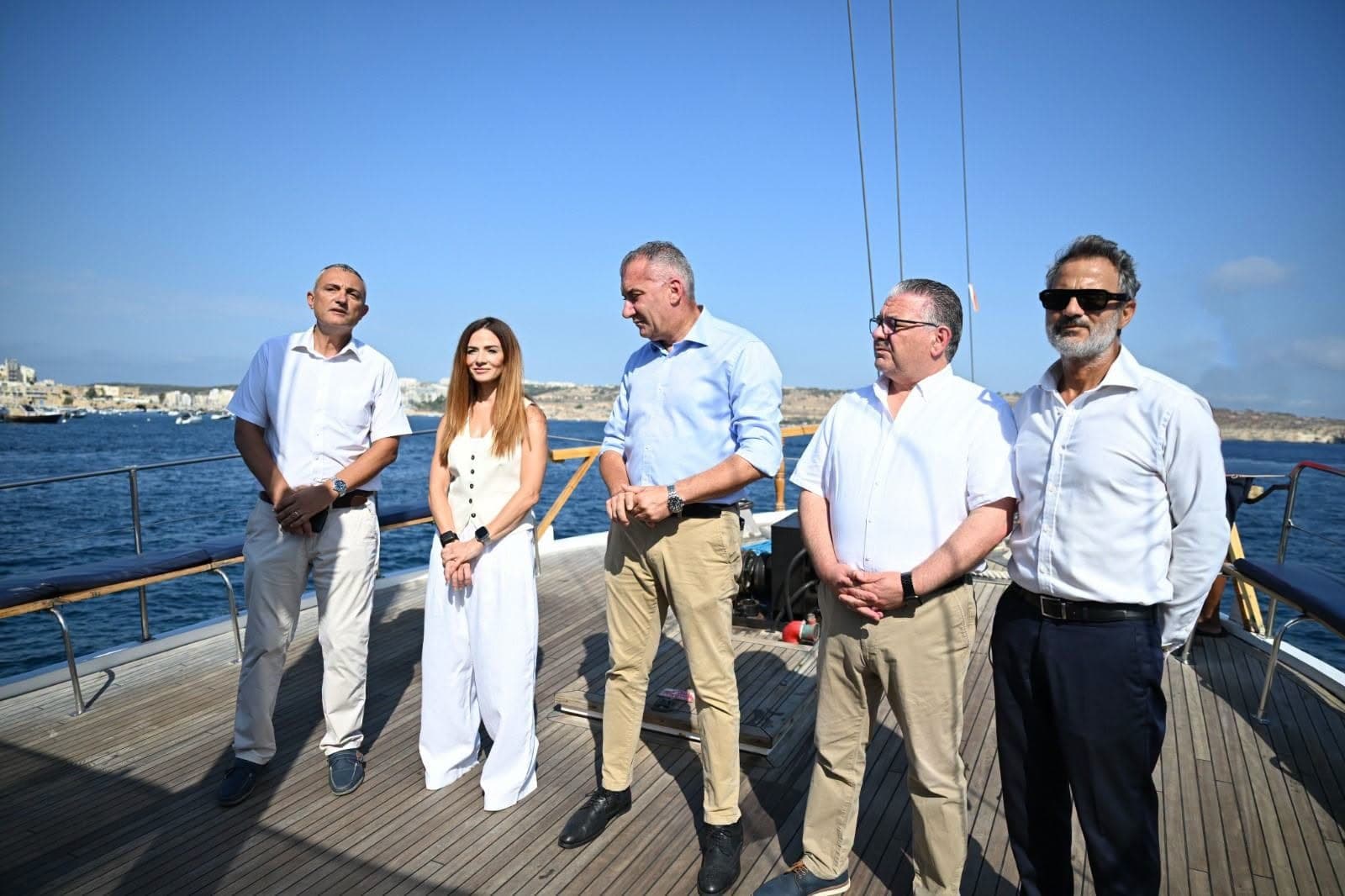
The plan, presented at an event organised by the Environment and Resources Authority together with three ministries, the Malta Tourism Authority, Transport Malta and Nature Trust Malta, sets out specific measures to protect marine habitats while keeping the site accessible for recreation, research and sustainable tourism.
For businesses operating in Ċirkewwa, the most immediate changes will come from new zoning rules for marine activities, improved mooring arrangements and the potential introduction of no-anchoring zones over sensitive seabeds. These measures aim to reduce damage to protected habitats while maintaining access for responsible operators.
Minister for Energy and the Environment Miriam Dalli said the plan turns protection into action through clear measures and shared responsibilities, allowing activities such as diving, boating, fishing and research to continue responsibly. Tourism Minister Jo Etienne Abela added that Malta’s sea is one of the country’s greatest assets and that the plan will help maritime activities develop sustainably.
The management framework also includes scientific monitoring of marine biodiversity, codes of conduct for users and improved coordination between enforcement authorities, including the use of monitoring systems. Operators should expect clearer rules on where and how to run excursions, with enforcement likely to tighten.
Dive centres and boat tour companies will also see new requirements around diver safety and emergency preparedness. The plan promotes educational initiatives for schools and visitors, and it calls for developing digital awareness tools including live underwater footage and virtual reality experiences. These could present marketing opportunities for operators willing to invest in sustainable tourism branding.
For the wider business community, the Ċirkewwa plan sets a precedent. As Malta’s first marine park to move into active management, it signals how future marine conservation zones will balance environmental protection with commercial activity. Companies relying on access to sensitive coastal areas should watch how these rules evolve, and whether similar restrictions spread to other parts of the island.