
Cirkewwa Marine Park management plan sets new rules for divers, boats and fishing
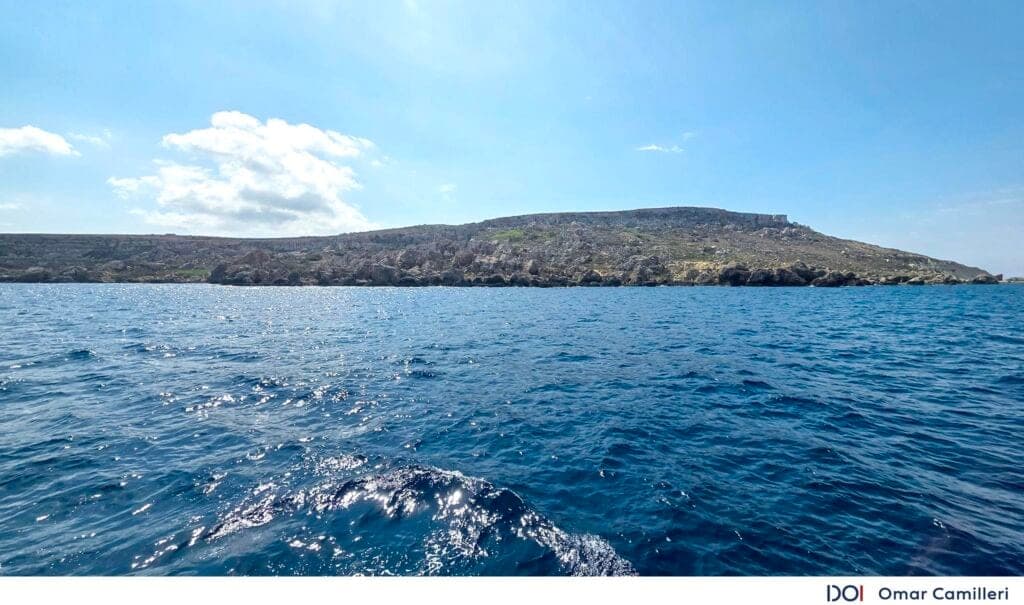
Malta's first marine park now has a management plan, introducing regulations for divers, fishermen and vessels in a zone that attracts over 100,000 dive tourists annually.
Malta's first designated marine park at Ċirkewwa now operates under a formal management plan, introducing new rules and oversight for one of the country's busiest diving and marine zones.
The plan, launched by the Environment and Resources Authority, Transport Malta, Nature Trust and the Malta Tourism Authority, covers the stretch of sea from Ċirkewwa to the Red Tower. It aims to protect the area's Posidonia meadows while managing the thousands of visitors and vessels that use it each year.
Environment Minister Miriam Dalli said the declaration of the park earlier this year was only the first step. What was needed, she said, was a plan to administer the zone, and the government succeeded in bringing different entities together.
Jurgen Gatt from the ERA explained that the management plan prioritises education so the public understands the ecological value of the area. It also strengthens enforcement through codes of conduct and regulatory measures targeting vessel operations and fishing activities inside the park.
For the diving and tourism industries, the implications are direct. Tourism Minister Jo Etienne Abela noted that more than 100,000 tourists visit Malta specifically for diving, with Ċirkewwa a prime destination.
The plan introduces environmental education initiatives, new information signage, school programmes, and digital tools including underwater video content and virtual reality experiences. These are designed to help visitors appreciate the marine heritage without damaging sensitive habitats.
Balancing conservation with responsible use is the central objective. Divers, fishermen, boat operators, researchers and tourists will all continue to use the site, but under guidelines drafted to reduce impact on the most vulnerable areas.
For businesses operating in the area, the new framework means adjusting to clearer rules on vessel behaviour and fishing activity. It also opens potential opportunities for eco-tourism positioning: a managed marine park can serve as a selling point for dive centres and tour operators looking to attract environmentally conscious visitors.
The involvement of the Malta Tourism Authority signals that the park is seen as a commercial asset as much as an ecological one. The question now is how smoothly the transition to regulated use will go and whether enforcement keeps pace with the plan's ambitions.