
Bormla’s tourism potential takes centre stage in new MTA publication
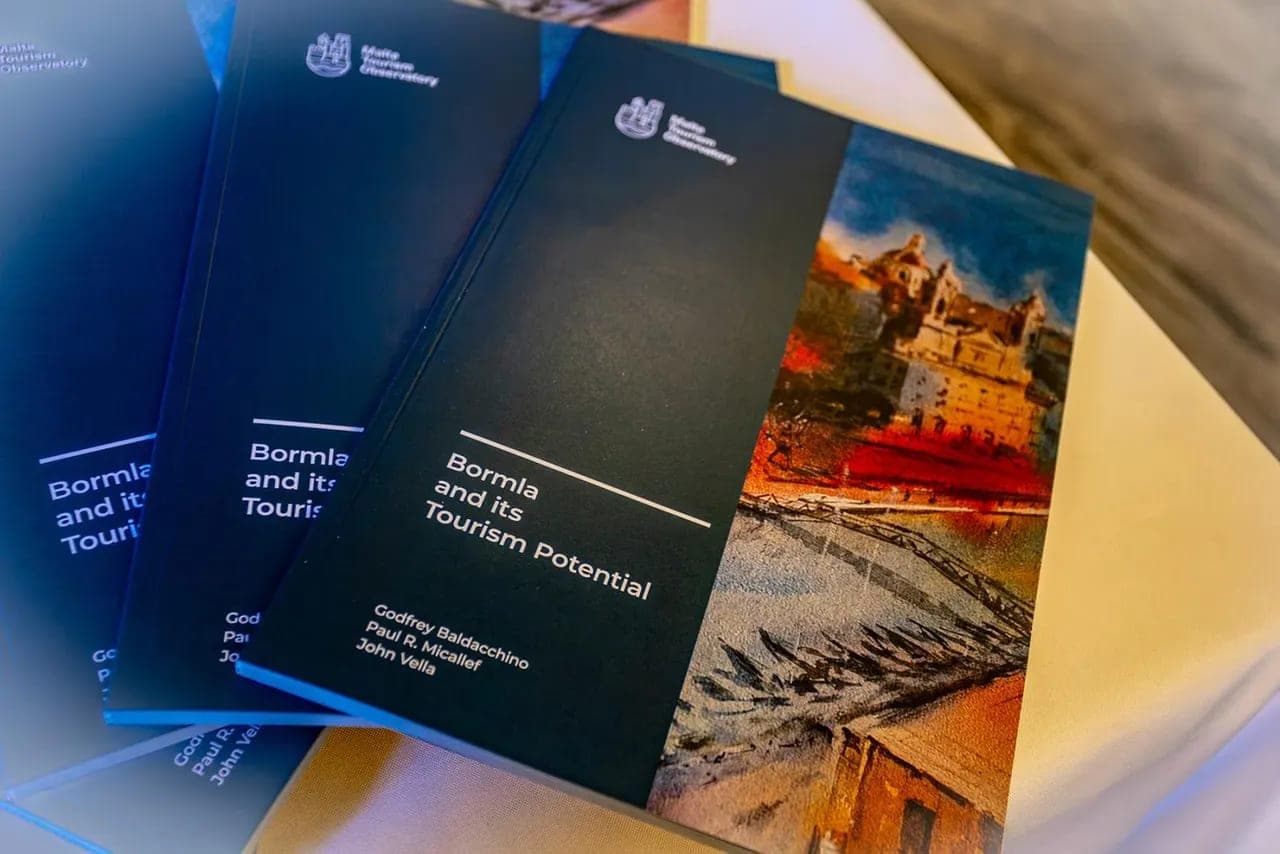
A new book launched by the Malta Tourism Authority highlights Bormla's potential for sustainable, value-added tourism.
Bormla is getting a dedicated tourism playbook. The Malta Tourism Observatory, under the Malta Tourism Authority, has published ‘Bormla and its Tourism Potential’, a book that maps out the locality’s historical and cultural assets.
The publication was launched last Friday at the Bormla Local Council by Deputy Prime Minister and Minister for Foreign Affairs and Tourism, Ian Borg. It is the latest in a series aimed at steering industry players toward smarter and more resilient tourism development.
Authors Professor Godfrey Baldacchino, Engineer Paul R. Micallef and Dr John Vella explore why Bormla deserves greater recognition. Their research covers military heritage, religion and pilgrimages, street niches, monuments, and other cultural and industrial aspects. The book also includes residents’ recommendations and practical tools like a treasure hunt and walking routes.
For the business community, the message is clear. MTA CEO Carlo Micallef said publications like this show that Malta has many localities with untapped tourism potential that can be developed sustainably.
Mayor Marco Agius described the book as an important moment for Bormla, adding that academic recognition places more responsibility on the local council to keep enhancing what the city offers.
The MTA is backing the initiative with distribution to libraries and relevant offices, while the book and others in the series remain available for free download.
That positions Bormla as a case study in value-added tourism. For investors and operators, it signals where public policy is heading: quality over volume, spread beyond overcrowded hubs, and deeper integration with local communities.