
Agritourism in Malta and Gozo: A Sustainable Business Opportunity
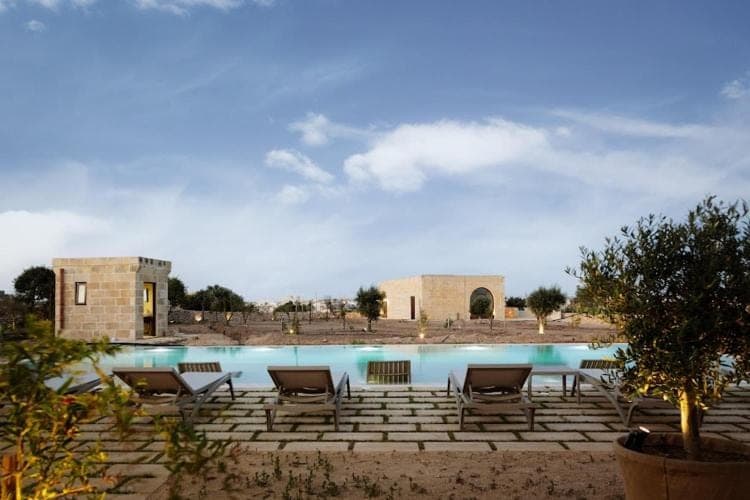
Michelin Guide spotlights agritourism in Malta and Gozo as a sustainable model blending farming, hospitality, and tourism.
Agritourism is gaining traction in Malta and Gozo as a business model that ties together agriculture, hospitality, and environmental sustainability. The Michelin Guide has highlighted this trend in a recent feature, pointing to its potential for the islands' tourism sector.
For Maltese farmers and rural landowners, agritourism offers a way to diversify income while preserving traditional landscapes. Visitors are drawn to authentic experiences such as farm stays, local food tastings, and hands-on agricultural activities.
This niche aligns with broader shifts in global travel toward sustainability and experiential tourism. Malta's small size and rich agricultural heritage make it a natural fit for such offerings, which can also help reduce seasonality in the tourism industry.
The business case is clear: agritourism can generate additional revenue streams for rural communities, create jobs outside the main tourist zones, and promote local produce. It also supports Malta's environmental goals by encouraging land stewardship and reducing food miles.
Operators entering this space face challenges, including regulatory hurdles and the need for investment in infrastructure. But with the right policy support, agritourism could become a meaningful contributor to Malta's economy.
The Michelin Guide's attention signals growing international interest. For local entrepreneurs, the message is that agritourism is not just a lifestyle choice but a viable business strategy with long-term potential.